How Emissions Testing Helps Keep Your Car Running Efficiently
Keeping your vehicle in peak condition involves more than oil changes and tire rotations. One of the most important yet overlooked services is car emissions testing. This process evaluates the gases your vehicle releases and determines whether it meets established environmental standards. Beyond protecting air quality, emissions testing helps identify mechanical issues that can affect fuel economy and overall performance.
When your vehicle undergoes car emissions testing, technicians analyze exhaust output and inspect critical engine components. These evaluations reveal how efficiently your engine burns fuel and whether any systems are underperforming. By understanding how emissions testing supports both performance and environmental responsibility, drivers can make informed decisions that protect their investment and contribute to cleaner air.
Examine Emissions Standards and Testing Methods
Emissions standards exist to limit harmful pollutants produced by vehicles. These regulations focus on substances such as carbon monoxide, nitrogen oxides, hydrocarbons, and particulate matter. Car emissions testing ensures vehicles remain within permitted thresholds, helping communities maintain healthier air quality. Regulatory oversight has steadily encouraged automakers to develop cleaner and more efficient technologies.
Testing methods vary depending on location and vehicle type, but most emissions testing procedures include tailpipe analysis and onboard diagnostics checks. Tailpipe testing measures the concentration of pollutants released while the engine runs under controlled conditions. Onboard diagnostics systems communicate stored error codes that may indicate emissions-related malfunctions. Visual inspections may confirm that components such as catalytic converters and fuel caps are properly installed and functioning.
Some regions require testing during registration renewal, while others apply it to specific vehicle categories. Regardless of frequency, the objective remains consistent: confirm that each vehicle operates within environmental guidelines. Through structured emissions testing programs, authorities maintain accountability while encouraging proactive maintenance among drivers.
Inspect Key Emissions Control Components
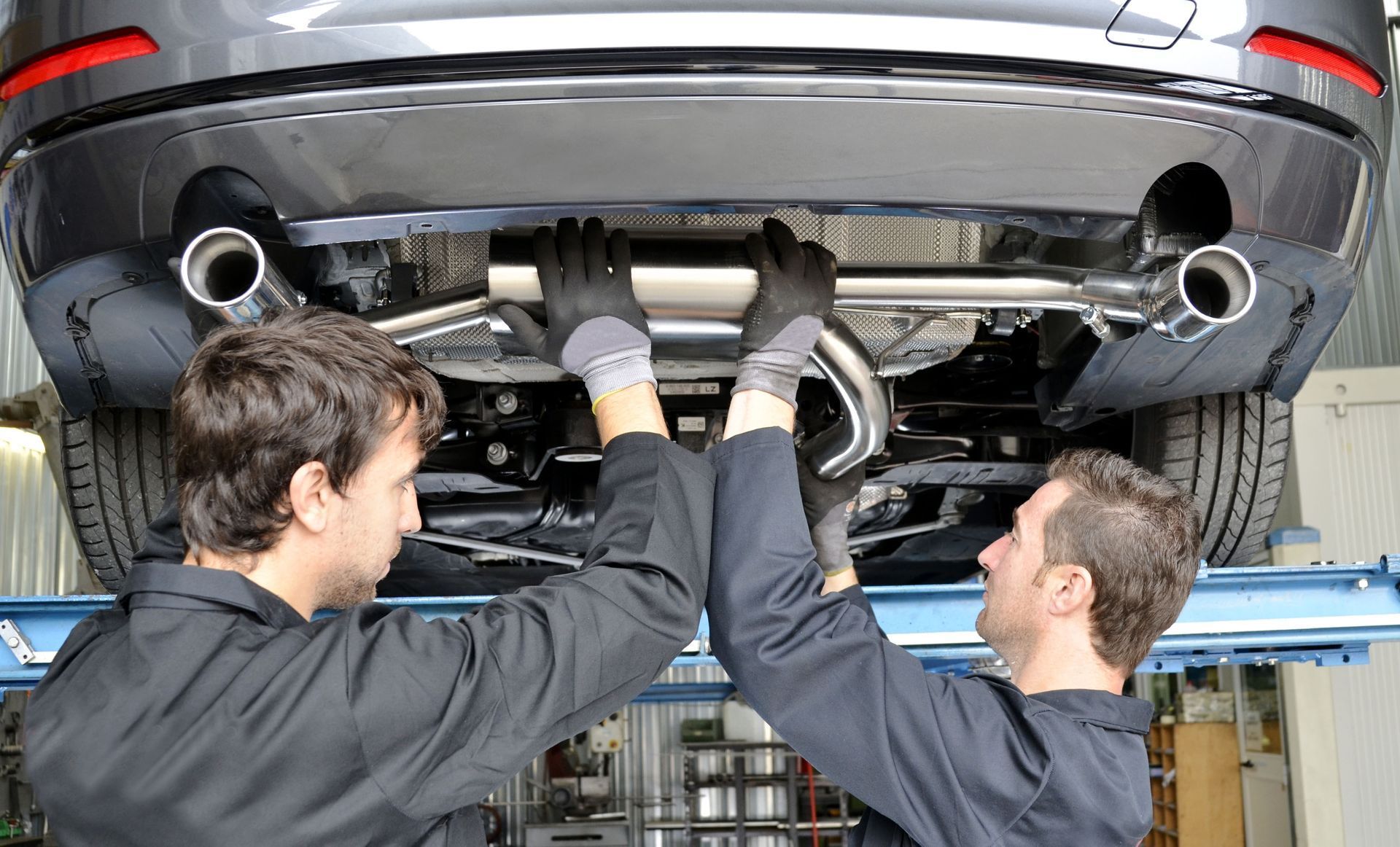
During car emissions testing, technicians evaluate several vital systems that influence engine efficiency. The catalytic converter plays a central role by transforming harmful exhaust gases into less harmful substances before they exit the tailpipe. If this component fails, emissions can increase dramatically and fuel economy may decline.
Oxygen sensors are equally important. These sensors measure the amount of oxygen in exhaust gases and relay information to the engine control module. When functioning correctly, they help maintain the proper fuel-to-air mixture for clean combustion. Emissions testing can detect irregular readings that signal a failing sensor, allowing timely replacement before larger performance problems develop.
Other components inspected during emissions testing include the exhaust gas recirculation system and evaporative emissions controls. These systems reduce nitrogen oxide formation and prevent fuel vapor leaks. Identifying weaknesses in these areas not only ensures compliance but supports smoother engine operation and consistent fuel efficiency.
Improve Combustion Efficiency Through Testing
Efficient combustion is essential for maximizing power while minimizing waste. Car emissions testing evaluates how completely fuel burns within engine cylinders. When combustion is incomplete, unburned fuel escapes through the exhaust, lowering fuel economy and increasing harmful emissions.
By analyzing exhaust composition, technicians can identify misfires, clogged injectors, or ignition timing problems. Correcting these issues restores balanced combustion and allows the engine to operate as designed. According to the U.S. Department of Energy, improving a poorly maintained vehicle or repairing one that failed an emissions inspection can raise fuel economy by an average of 4%, demonstrating how closely maintenance and efficiency are connected.
Routine emissions testing encourages drivers to address minor inefficiencies before they escalate. As combustion improves, engines run more smoothly, throttle response sharpens, and fuel is used more effectively. This proactive approach reduces strain on internal components and helps extend the life of the vehicle.
Optimize Fuel and Air Mixture Balance
The correct fuel-to-air ratio is critical for performance and emissions control. Too much fuel creates a rich mixture that wastes gasoline and increases carbon monoxide output. Too little fuel results in a lean mixture that can cause hesitation, overheating, and potential engine damage. Car emissions testing helps identify imbalances by examining exhaust data and onboard diagnostics feedback.
When irregularities appear, technicians may recalibrate the engine management system or recommend component repairs. These adjustments ensure the engine maintains ideal operating conditions under various driving scenarios. Emissions testing provides measurable insight into how well the engine adapts to changing loads, temperatures, and speeds.
Maintaining the proper mixture does more than reduce pollution. It promotes steady acceleration, reliable idling, and improved gas mileage. Through regular emissions testing, drivers gain confidence that their engines are operating at peak efficiency rather than wasting fuel due to unnoticed imbalances. This precise calibration supports consistent engine response and helps prevent long-term mechanical wear caused by inefficient combustion.
Reduce Engine Strain and Enhance Longevity
Excessive engine load can quietly undermine performance and efficiency. When components wear down or malfunction, the engine works harder to produce the same output. Car emissions testing often reveals signs of increased strain, such as irregular exhaust readings or diagnostic trouble codes. These indicators may stem from clogged filters, failing oxygen sensors, vacuum leaks, or fuel system imbalances that disrupt normal operation. Left unresolved, these issues force the engine to compensate, gradually increasing internal stress and diminishing overall dependability.
Addressing these findings reduces friction, corrects airflow issues, and restores balanced combustion. This decreases unnecessary stress on pistons, valves, and other internal components while helping the engine operate within its intended design parameters. With reduced strain, the engine can maintain consistent performance while consuming less fuel. Improved efficiency not only enhances day-to-day drivability but supports steadier acceleration, smoother idling, and more predictable power delivery under varying road conditions.
Emissions testing therefore functions as an early warning system. Instead of waiting for noticeable breakdowns, drivers can respond to subtle indicators uncovered during inspection. Preventive action supports environmental goals and significantly reduces the likelihood of costly repairs and unexpected downtime. By identifying and resolving minor inefficiencies early, car emissions testing contributes to longer engine life, improved reliability, and sustained vehicle performance over time.
Support Environmental Responsibility
Transportation remains a significant contributor to air pollution, making responsible vehicle maintenance essential. Car emissions testing plays a direct role in limiting the release of greenhouse gases and harmful pollutants. Each compliant vehicle contributes to improved community air quality and reduced health risks associated with contaminated air.
Beyond regulatory compliance, emissions testing reflects a broader commitment to sustainability. Identifying and correcting emissions issues lowers a vehicle’s carbon footprint while promoting efficient fuel consumption. When drivers prioritize testing, they participate in a collective effort to balance mobility with environmental stewardship.
Cleaner engines produce fewer harmful byproducts and operate more efficiently over time. By incorporating emissions testing into regular maintenance schedules, vehicle owners demonstrate accountability not only to legal standards but to future generations who benefit from cleaner air and reduced environmental strain.
Car emissions testing is far more than a regulatory formality. It serves as a comprehensive evaluation of engine performance, fuel usage, and environmental impact. From detecting faulty sensors to optimizing combustion, the insights gained during testing translate into tangible improvements in efficiency and reliability.
Drivers who schedule routine car emissions testing are better equipped to prevent performance declines and rising fuel costs. By identifying minor issues early, they preserve engine health and contribute to reduced pollution levels. For thorough inspections and dependable service, we invite you to schedule your next appointment with AA Auto Repair. We will help keep your vehicle running cleanly and efficiently.
Share On: