3 Reasons Cars Fail Emissions Tests
Understanding the reasons behind cars failing emissions tests is crucial for vehicle owners. Car emissions tests are not only a regulatory requirement but also a way to ensure that vehicles are running efficiently and polluting the environment as minimally as possible. These tests, according to state and federal laws, are designed to monitor the vehicle's output of harmful pollutants like nitrogen oxides and hydrocarbons. By delving into common reasons for test failures, this article provides practical guidance for car owners to prevent and address these issues effectively.
1. Faulty Oxygen Sensors
Poor Fuel Economy
Oxygen sensors play a pivotal role in delivering the right air-fuel mixture to the engine. When these sensors are faulty, they can cause the engine to run inefficiently, leading to increased fuel consumption. Poor fuel economy directly impacts emissions, as excess fuel burned incorrectly results in higher output of pollutants. In the context of a car emissions test, this inefficiency is a red flag and a common cause for failing the test. Regular checks and maintenance of oxygen sensors can preemptively reduce the likelihood of encountering such issues.
Increased Emissions
A malfunctioning oxygen sensor sends inaccurate data to the vehicle's computer, which in turn may cause the engine to burn fuel improperly. This improper combustion process increases the emissions of pollutants such as carbon monoxide and unburned hydrocarbons. As a direct consequence of these increased emissions, vehicles with faulty sensors frequently fail emissions tests. Understanding the critical nature of these sensors in maintaining optimal engine performance is essential for vehicle owners. The cumulative effect of increased emissions on environmental pollution is significant, emphasizing the need for regular sensor assessments.
Check Engine Light
One of the most immediate indicators of a potential problem with oxygen sensors is the illumination of the check engine light. This dashboard alert suggests that there's an issue with the engine's emission control system, possibly due to sensor failure. Addressing the root cause of this light will not only improve your vehicle's performance but also prevent car emissions test failures. Many drivers often overlook this light or delay addressing it, leading to more significant mechanical issues over time. Ensuring oxygen sensors are working correctly can help in turning off this light and keeping your vehicle compliant with emissions standards.
Diagnostic Procedures
Proper diagnostic procedures can help identify and rectify faulty oxygen sensors before they lead to car emissions test failures. An initial step involves scanning the vehicle's onboard diagnostic system, which can reveal error codes indicating sensor issues. Subsequently, a physical inspection is essential to check for obvious damage or wear on the sensor or its electrical connections. Such diagnostics ensure any problems are addressed promptly, ideally before a car emissions test. Regular diagnostic checks as part of vehicle maintenance can significantly reduce the likelihood of unexpected car emissions test failure due to sensor faults.
2. Malfunctioning Catalytic Converter
Role in Emissions Control
The catalytic converter is a critical component of a car's emissions control system, transforming harmful exhaust gases into less harmful substances. It facilitates chemical reactions that convert toxic carbon monoxide and hydrocarbons into carbon dioxide and water vapor. Without a properly functioning catalytic converter, a car is likely to emit increased levels of harmful pollutants, leading to failed emissions tests. According to Kelley Blue Book, a basic emissions check, which tests for such pollutants, typically takes less than 15 minutes, highlighting the importance of having this component in optimal condition. Understanding the converter's role underlines its importance in passing car emissions tests and reducing environmental impact.
Signs of Wear or Damage
Several indicators may suggest that a catalytic converter is nearing the end of its life, such as reduced engine performance, poor fuel economy, or a persistent sulfuric smell. Detecting these signs early can aid in preemptively addressing issues before they cause significant damage or lead to a car emissions test failure. Furthermore, a rattling noise coming from the underside of the vehicle might indicate internal damage to the converter's substrate. By being vigilant about these symptoms, vehicle owners can take prompt action to repair or replace damaged catalytic converters. Routine vehicle checks can also help in identifying potential issues before they become costly problems.
Impact on Emissions
A malfunctioning catalytic converter directly impacts a vehicle's emissions by failing to effectively process exhaust gases. As the converter's efficiency diminishes, the vehicle's emissions increase, becoming rich in nitrogen oxides and hydrocarbons. This not only contributes to environmental pollution but also results in failing car emissions tests due to non-compliance with regulated emissions limits. Regular maintenance and inspection of catalytic converters ensures they function optimally, reducing emissions output. Thus, understanding the impact of a poorly performing converter is crucial for maintaining vehicle compliance and environmental responsibility.
Repair vs. Replacement
When dealing with catalytic converter issues, vehicle owners face the decision of repair or replacement. Repair may be viable for minor damage or clogging, where cleaning or refurbishment can restore functionality. However, for severe damage or aged converters, replacement offers a more reliable and long-term solution. While replacement may be costlier, failing to address a faulty converter can lead to increased repair costs related to other engine components. Owners should weigh costs against the benefits of efficient vehicle performance and emissions compliance when making this decision.
3. Issues With the Exhaust System
Exhaust Leaks
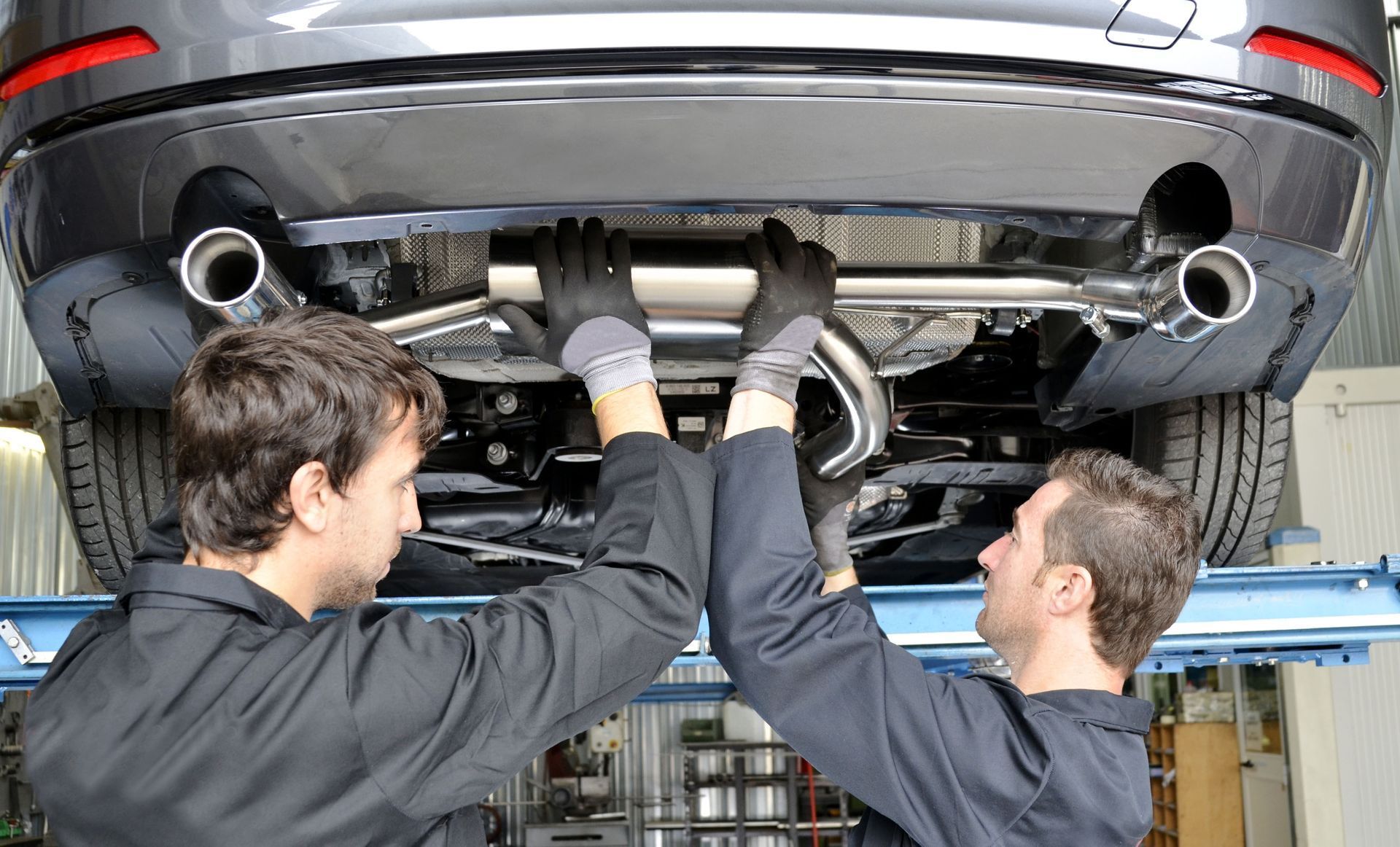
Exhaust leaks are a common culprit for car emissions test failures, allowing exhaust gases to escape before they are fully processed by the emissions control system. Leaks can occur at any point in the exhaust path and are often due to rust, corrosion, or physical damage. These leaks disrupt the system's ability to reduce harmful emissions and can trigger the check engine light. Addressing exhaust leaks promptly can prevent further damage to the vehicle and ensure compliance with emissions standards. Regular inspections for leaks are an essential aspect of vehicle maintenance that cannot be overlooked.
Damaged Muffler
The muffler, an integral part of the exhaust system, plays a key role in both noise reduction and emissions control. Damage to the muffler can adversely affect emissions by disrupting the proper flow and processing of exhaust gases. In addition to failing car emissions tests, a damaged muffler often leads to an increase in noise pollution, drawing unwanted attention and potential legal issues. Vehicle owners should regularly inspect the muffler for signs of rust, holes, or other wear. Proactive maintenance can help ensure that the muffler functions effectively, supporting the efficient operation of the exhaust system.
Blockage in Exhaust Pipes
Blockages within the exhaust pipes can significantly impair the exhaust system's ability to manage emissions effectively. These blockages may result from the build-up of carbon deposits, debris, or corrosion over time. When exhaust gases cannot flow freely, the engine may suffer from increased back pressure, ultimately leading to diminished vehicle performance and higher emissions levels. Understanding the signs of exhaust blockages, such as reduced engine power or unusual noises, can prompt timely intervention. Regular cleaning and inspection of the exhaust pipes can help prevent these issues and ensure reliable car emissions test outcomes.
Regular Maintenance Tips
Maintaining a healthy exhaust system requires adherence to regular maintenance tips, such as routine inspections and cleaning. Keeping the exhaust system free from leaks, blockages, and wear will enhance its ability to manage emissions. Regular professional checks and prompt repairs of any identified issues will also prevent larger, more costly repairs. Cleaning components like the muffler and pipes can minimize the risk of blockages and enhance the system's efficiency. Vehicle owners should adopt a proactive approach to exhaust system maintenance to optimize performance and ensure compliance with emissions standards.
Car emissions test failures often stem from issues that develop gradually and can be prevented with attentive vehicle care. Faulty oxygen sensors, malfunctioning catalytic converters, and exhaust system problems each play a direct role in increasing harmful emissions and reducing overall engine efficiency. By recognizing early warning signs, following proper diagnostic procedures, and committing to routine maintenance, vehicle owners can address these problems before they escalate into costly repairs or failed inspections. Ultimately, understanding and managing these common causes empowers drivers to keep their vehicles compliant, reliable, and environmentally responsible.

Share On: